I do not have grey hair – nor white, nor even silver. And I am jealous of those who do. These ladies, for example.
.jpg)
How to Live Without TV
- Remove TV from house; delete all TV-related tabs, apps etc.
- Ta-da! You are living without TV.
Except what we really want to know is not how to live without TV, but how to thrive without TV. (Side note: if English was a more sensible language, that would have rhymed and been an all-around more catchy sentence.)
Beware the Agapanthus
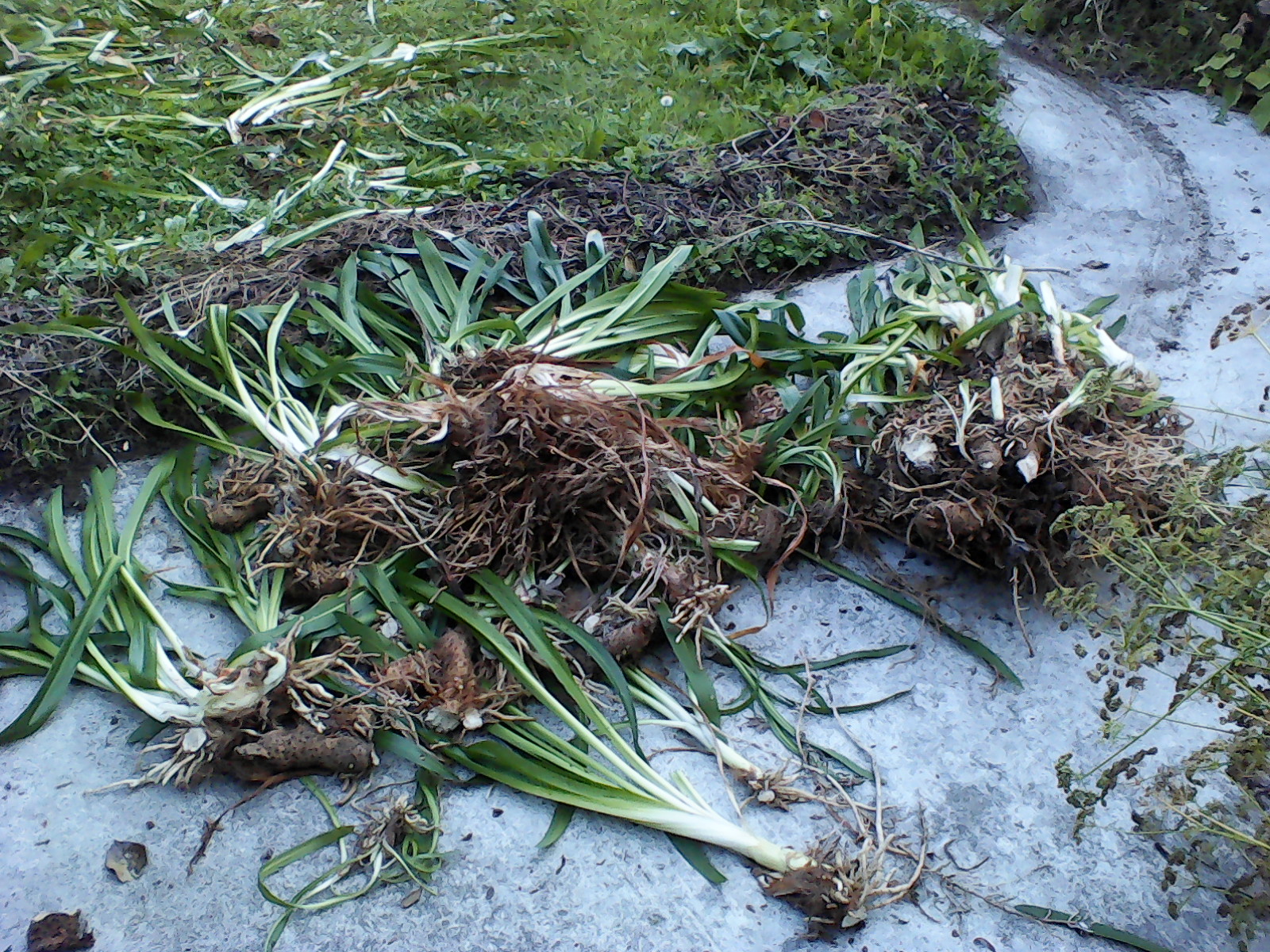
I can’t believe people actually plant this stuff, deliberately! OK, it’s low-maintenance and mildly decorative, but so is convolvulus, and you all know how I feel about that. Another point of similarity with convolvulus: it spreads, and where it grows, nothing else survives.
Last week, I was having one of those days where all you seem to do is uselessly spin your wheels in the mud. You know the ones? I got frustrated. I got angry. I got a spade and a large garden fork and I took out my anger and frustration on the largest patch of agapanthus.