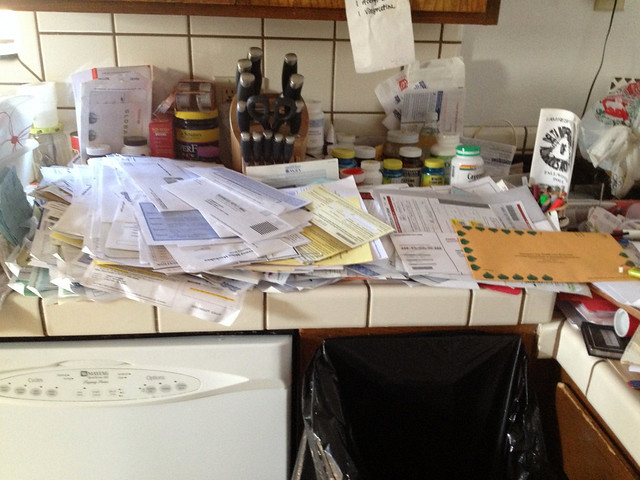
Some of you may be feeling somewhat disheartened by the amount of stuff that stares you in the face on a daily basis and flattens your soul whenever you think about doing a spot of pruning. I know I’ve certainly been there.
The stuff may be inhibiting your movements, as you walk crab-wise around the room to avoid it. It may be eliminating your options, as you can’t use the space it’s taking up. It may even be making you feel guilty for not being in control of it, like a large badly-behaved dog that insists on piddling indoors, in front of your guests.
 Are you going to let a bunch of inanimate objects treat you like that? No, you are not! Today is the day, my friends, when we begin to put that stuff in its place.
That place may be one of five:
here (it does happen),
somewhere else (put it away),
a charity shop,
a recycling bin,
or the famous circular file, aka the rubbish bin.
Ready? Slow and steady wins the race, remember. Every bit is progress.
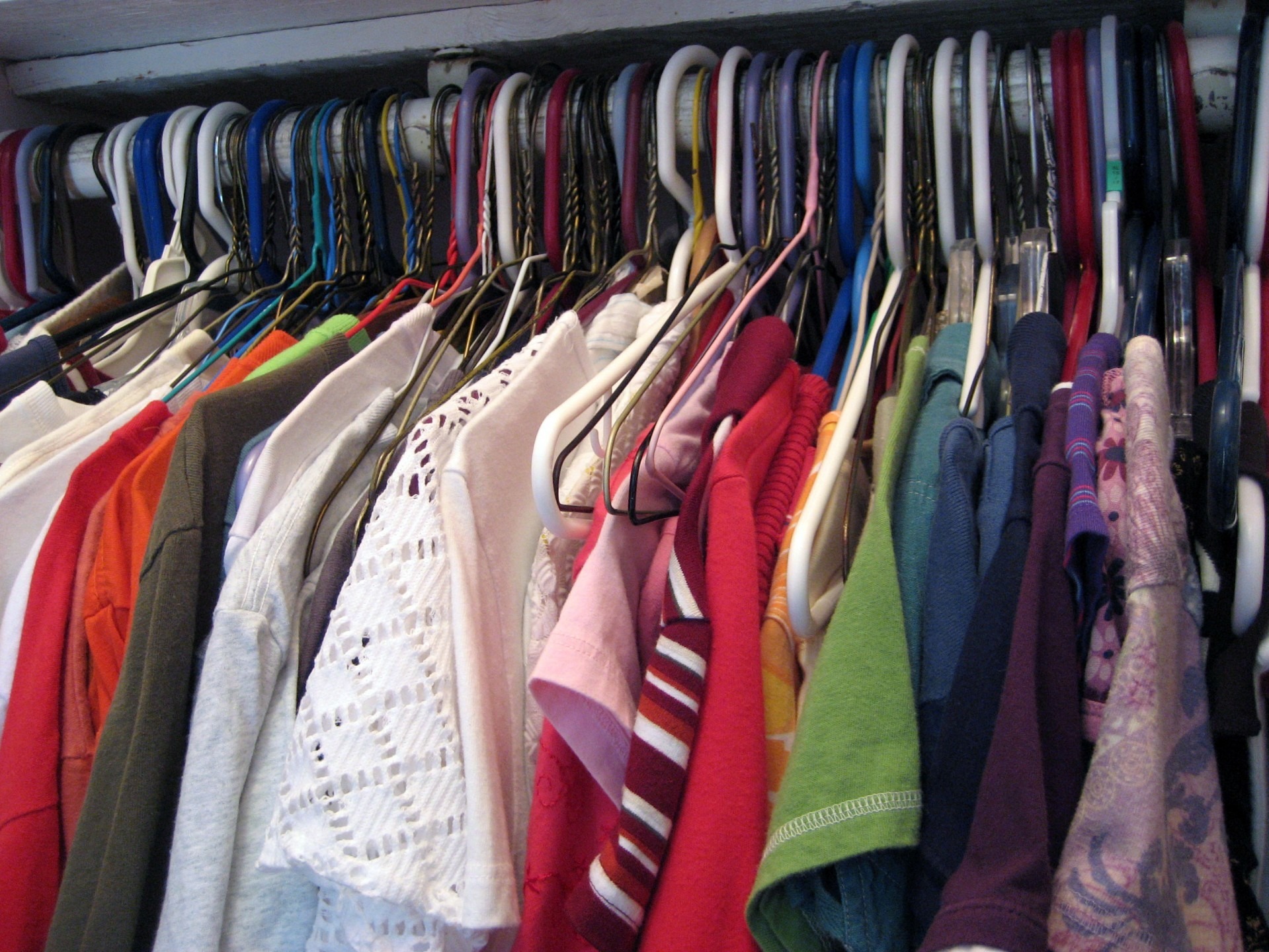
I decided to adapt FlyLady’s marathon cleaning approach, making it rather less marathon but using her maxim that “you can do anything for fifteen minutes.” Use a timer – it beats looking at a clock, or forgetting to. Let’s begin with fifteen minutes of going through our clothing and biffing out the things we don’t wear. I looked in my wardrobe, chest of drawers, bandanna bowl, coat stand and hallway shelf. I didn’t bother looking through the laundry basket, since by definition it only contains the things I actually wear.
 Since I had a clothing prune in June, there isn’t much deadwood left to be removed. Interesting horticultural note: pruning live wood often results in a more fruitful plant. You don’t have to wait for it to start rotting to whack it off. If it doesn’t fit, doesn’t suit, or you just don’t wear it, move it on! Don’t worry about where it’s going just yet, just haul it out and put it aside.
Set your timer, and off you go! Good hunting!
Despite the recent prune, I managed to bag a couple of elderly undergarments and a rain jacket which does not suit me, does not fit me, and consequently is never worn. Why I had this is anyone’s guess. Total: 3. How did you do?
Set your timer again, and this time focus on your bedside table and/or dressing-table. Accessories, things in pottles or tubes, collections of bedside books you haven’t got around to reading… whatever’s there, interrogate it!

What did you bag?
I disinterred an old perfume, a lipstick (the only makeup I own, but I fear it has passed the statute of limitations), an assortment of pins etc for the long hair I haven’t had in years, and a hairbrush (ditto). Also a book of exercises which I don’t do. 5 items; running total 8. And that’s not counting the things which should have been somewhere else, or the random bits of paper for the recycle bin.
How are you feeling? One more, and we’ll stop for a cuppa. This could be a big one, but panic not! Fifteen minutes attacking a big job doesn’t take any longer than fifteen minutes of a small one. We now turn our attention to our hobby stuff – sewing, knitting, stamp-collecting, woodwork; whatever it is, spend fifteen minutes pruning out any unnecessary stuff. (If you have no hobby that involves stuff, you can spend these fifteen minutes doing whatever it is you do in your hobbyless free time, and feeling smug.)
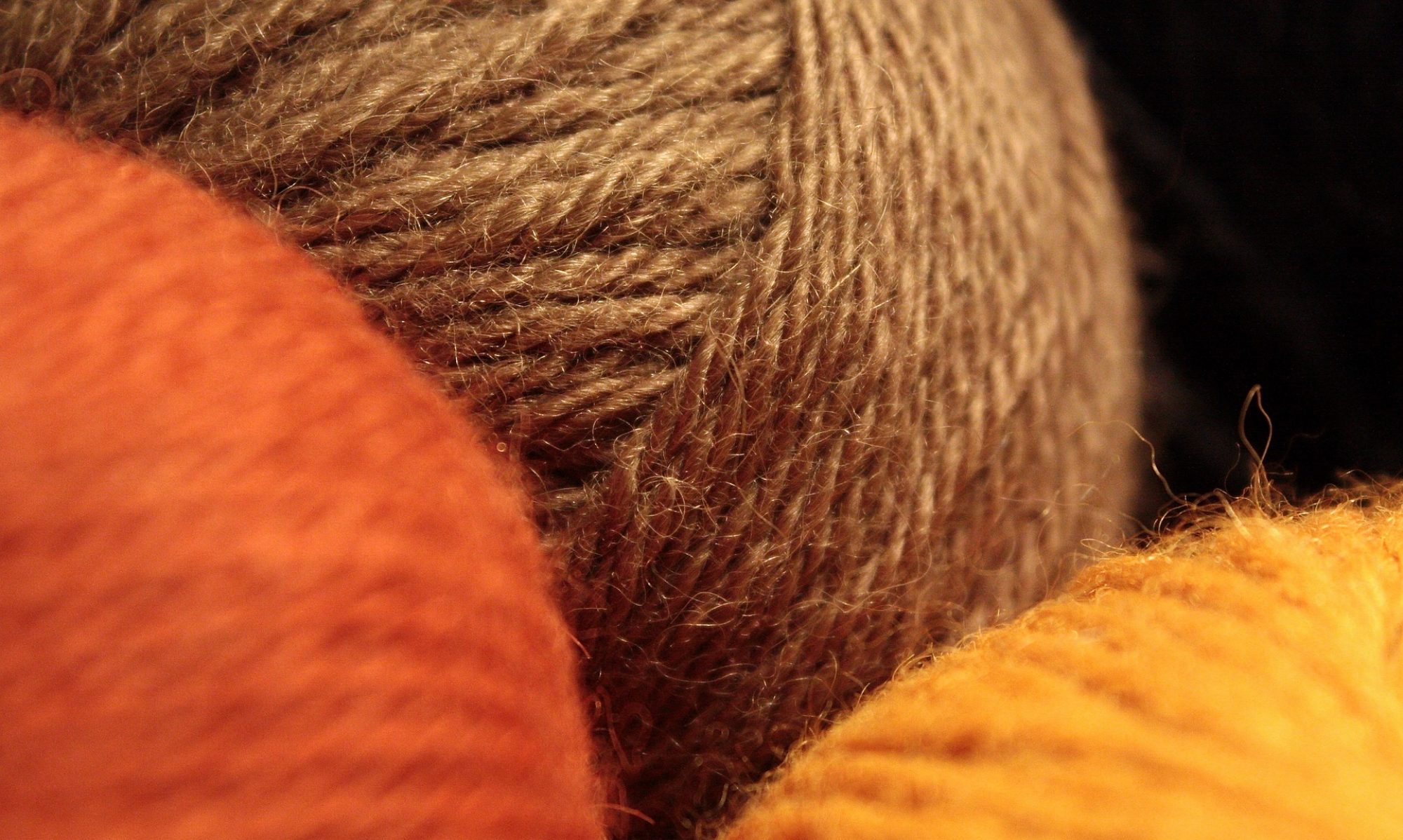
I went through the yarn stash in July (one shopping bag purged full of little remnants and itchy acrylics) so I will be having a go at the sewing stuff this time. Attack!
 In fifteen minutes of quick assessment, I pulled out a variety of cords and beads from the trim box (not sure what they are intended for, so v. unlikely to use them) as well as a couple of buckles and two historical sewing patterns which I’ve had for years and never used. Time for them to move on, I’d say. Also a large number of pieces of unrequired paper and odd bits of fabric. Call it five items; running total 13.
Now make yourself a nice cup of tea (or beverage of your choice) and congratulate yourself on your achievement thus far. Once you’ve had your cup of tea, you can put the ‘somewhere else’ items back where they belong and sort the remainder into the three outer destinations: charity, bin or recycle. If you fear you will become distracted, set a timer for this too.
Look at the list/number/photo of things you’ve pruned out of your life in less than an hour. Well done! Feel free to leave it at that for now, or to give these areas another pruning during the week, in as many fifteen-minuteses as you like. Let us know how you go, and do join us again next week!